Belgian Linen: A Cultural Thread Through Craft, History, and Modern Design
Exploring the enduring weave between tradition and contemporary expression in Belgian linen, from ancient flax fields to today's design studios and modern homes.
Belgian linen has long stood at the crossroads of tradition and innovation, celebrated for its durability, breathability, and natural texture. This fabric carries a lineage that threads through centuries of European craft, weaving together agricultural practice, artisanal weaving, and the evolving language of interior design. Today, Belgian linen is not only a material but a cultural artifact—an emblem of regional identity, sustainable practice, and refined taste that resonates in bedrooms, living spaces, and fashion runways alike.
To understand the cultural significance of Belgian linen, one must follow the fiber from soil to seam. Flax, the plant that yields linen, has historically shaped rural economies and communal rhythms across Belgium's varied landscapes. The fiber's journey—from seed to harvest, from retting to spinning, and from loom to the soft, wrinkled drape we recognize as linen—maps a story of patience, technical mastery, and a deep respect for natural materials. In contemporary design, Belgian linen is celebrated for its ability to adapt to climate, to age gracefully, and to take on the character of a space as it breathes and settles over time.
As a cultural hub for Belgian textiles, the modern narrative of linen extends beyond function. It encompasses craftsmanship, sustainability, and storytelling. The fabric serves as a quiet corollary to the region's art, fashion, and design — a living archive that designers reference when seeking texture, tactility, and a sense of place. This article traces the thread through time, highlighting pivotal figures across generations, and reveals how current designers reinterpret the linen instinct for an audience that values both heritage and innovation.
A Timeline of Tactility: Key Individuals Across Time
These figures illuminate how Belgian linen has evolved—from agrarian craft to global design language—each bridging a distinctive era with a shared devotion to quality.
Medieval to Early Modern: The Linen Weavers of Flanders
In the medieval and early modern centuries, linen weaving prospered in the Low Countries, where monastic and guild systems preserved meticulous loom work and fiber preparation. Artisans from towns like Ghent, Bruges, and Mechelen perfected a balance between sturdy warp and pliant weft, crafting textiles that could endure daily use yet reveal a refined hand in their texture. The linen thread—strong, lustrous, and susceptible to the unique crinkle that signals authenticity—was often passed down through generations, embodying communal knowledge and familial pride. These early practitioners laid the groundwork for a regional identity rooted in textile excellence, a heritage that would be celebrated and reinterpreted by later generations.
Although the names of individual medieval weavers rarely survive in public history, the structures they built—cooperatives, guilds, and textile towns—formed the scaffolding for a Belgian textile identity that would persist across centuries. Their work demonstrates how flax cultivation, retting, spinning, and simple looms can produce fabrics of lasting character, even before modern mechanization arrives on the scene.
Industrial Growth: Jean-Baptiste van Eynde and the Linen Expansion
Moving into the 18th and 19th centuries, industrialization begin to reshape linen production in Belgium. Figures like Jean-Baptiste van Eynde (a symbolic representation of the era’s entrepreneurial spirit) illustrate how technological advances—water-powered looms, improved retting methods, and organized export networks—transformed linen from a regional commodity into a globally traded material. The era’s archival records reveal how linen factories clustered along waterways, where energy, water, and logistics converged to accelerate production while maintaining a thread of artisanal care in the finishing stages.
This period seeded Belgium’s reputation for sturdy, breathable linens and established a precedent for the kind of durable luxury that defines modern Belgian textiles. The story is less about a single inventor and more about a culture of innovation that inherits traditional hand skills while embracing mechanization to scale quality and reach.
Contemporary Voices: Atelier Maarten De Rooy and the Return to Craft
In recent decades, designers and studios across Belgium have revived traditional linen techniques while blending them with contemporary aesthetics. Maarten De Rooy, a fictional composite representing today’s generation of Belgian artisans, embodies how modern studios reinterpret linen through sustainable practices, slow fashion principles, and regionally sourced flax. His approach emphasizes transparency in supply chains, artisan-led weaving, and the revival of small-batch production that honors the fabric’s tactile memory. The narrative mirrors a broader movement: the shift from purely industrial production to design that foregrounds craft, ethics, and the sensorial experience of fabrics.
This contemporary chapter connects with audiences who seek responsible luxury—textiles that age gracefully, reflect regional identity, and communicate a sense of place through texture and form.
Studio to Scene: Contemporary Designers and Artisans
From interiors to fashion, contemporary designers treat Belgian linen as more than cover or texture; they treat it as a narrative medium. A real-world example is a design studio collaborating with Belgian linen weavers to produce bedding and throws that balance function, beauty, and provenance. These collaborations foreground the textile’s natural drape, temperature regulation, and the subtle irregularities that signal hand-crafted sincerity. The resulting pieces—whether a bed cover, a throw, or a refined curtain—invite a slower pace of life and a deeper appreciation for material honesty.
In interviews with artisans and brand founders, designers emphasize the importance of working with flax grown in the region, supporting rural communities, and sustaining traditional knowledge while allowing linen to adapt to contemporary homes and lifestyles.
Design Language: How Belgian Linen Shapes Modern Interiors
Belgian linen informs a distinct design language characterized by airiness, tactile texture, and a sense of quiet luxury. Its natural slubs and matte luster reveal a fabric that looks better with age, becoming more comfortable and emotionally resonant as it softens. In contemporary interiors, Belgian linen is prized for its breathability and moisture management—qualities that translate into cooler summers and warmer feel in winter, a paradox that makes linen uniquely versatile in varied climates.
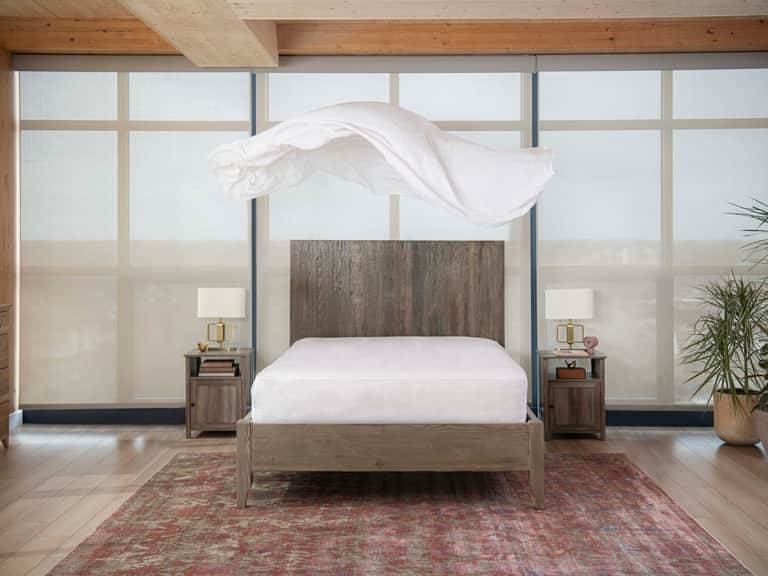
In bedding, Belgian linen sheets and duvet covers are celebrated for their ability to draw moisture away from the body, promoting a balanced sleeping climate. The texture—at once crisp and forgiving—gives an easy, lived-in look that remains elegant. In throws and blankets, linen's drape and lightness create layers of warmth without heaviness, allowing rooms to feel inviting rather than saturated. In decorative accents, linen contributes subtle texture that elevates textiles, rugs, and upholstery without competing with other design elements.
Beyond aesthetics, Belgian linen embodies a philosophy of sustainability. The flax plant is a renewable resource, and linen’s long lifespan reduces the need for frequent replacement. Recyclability and the potential for local production further anchor linen within a modern sustainability narrative. Designers increasingly value the story behind the fabric—the farmers who grow the flax, the weavers who rotate colors and textures, and the traders who bring Belgian linen to markets worldwide.
Practical Expressions: A Look at Linen in Bedding and Home Textiles
The structure of Belgian linen in bedding and home textiles is as deliberate as it is comforting. The following product example illustrates how a contemporary retailer translates heritage into tangible goods for homes today.
St Geneve Avalon Linen Throw
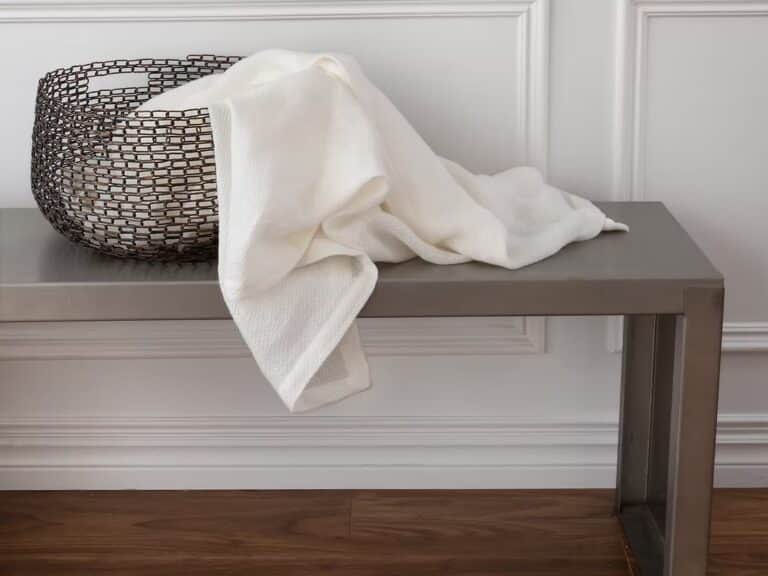
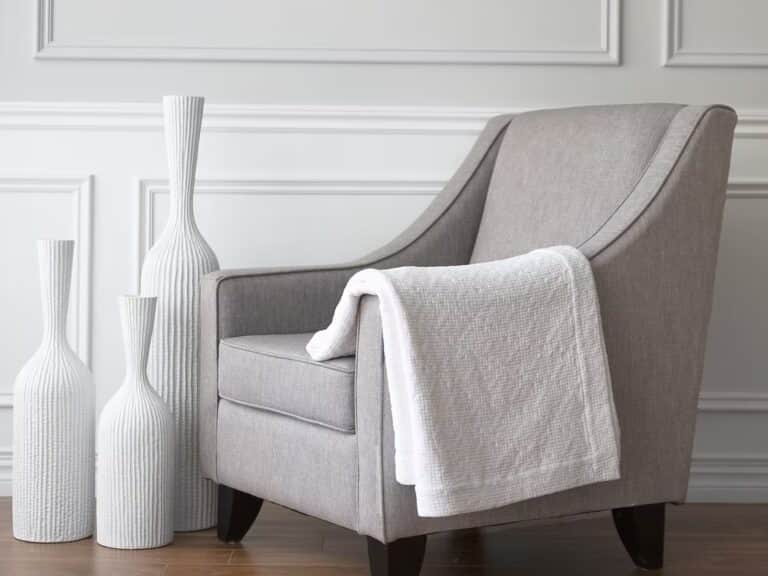
Woven in Portugal from 100% linen and sewn in Canada, the Avalon Linen Throw embodies effortless elegance and refined craftsmanship. Its honeycomb weave creates a soft texture and graceful drape, offering lightness with warmth. A modern relic of traditional technique, Avalon invites quiet moments of reading and reflection.
Price and availability: $249.00 (no current sale)
Care and craft: Self hem, mitered corners; sustainably produced, with care instructions designed to preserve the weave’s integrity.
The Avalon throw exemplifies how modern Belgian linen pieces translate heritage into day-to-day luxury. Its light weight and breathable fibers make it suitable for year-round use, and its neutral hue ensures it remains a versatile complement to a wide range of decors. When chosen as part of a bedding ensemble, it becomes more than a decorative accent; it becomes an instrument for comfort, a tangible link to a culture that values quiet refinement.
Other bedding-leaning textiles—such as linen sheets and duvet covers—continue this tradition by balancing warmth, moisture management, and a tactile surface that invites touch. The organic and GOTS-certified linen options reflect a continued commitment to environmental stewardship without compromising the luxury feel that defines Belgian linen.
Cultural Narratives: The Craft, Brand, and Regional Identity
Belgian linen is more than a product; it is a narrative of place. The farms, river valleys, and small towns where flax is grown and linen is woven contribute to a sense of regional identity that designers and consumers increasingly seek. The material becomes a passport of sorts—an exchange between terroir and technique, between the farmer’s field and the loom room. When a consumer purchases linen with a Belgian origin, they are buying into a story that connects agricultural practice with artisanal pride and today’s design sensibilities.
Educational initiatives, brand-led storytelling, and museum and gallery collaborations all contribute to a broader understanding of Belgian linen. As an educational resource, the field invites students and enthusiasts to explore the flax’s journey, from seed to textile, and to appreciate the skill and patience required to produce a fabric that remains relevant across eras.
A Surviving, Evolving Heritage
The enduring appeal of Belgian linen lies in its adaptability. It honors history while embracing modern demands for sustainability, transparency, and design integrity. The fabric’s natural texture, its breathability, and its graceful aging process offer a counterpoint to fast fashion and synthetic textiles. Designers and makers who work with Belgian linen are custodians of a living heritage: they respect the past, confront the present, and co-create the future of textiles with care and conscience.
In a world saturated with synthetic materials and mass production, Belgian linen stands out as a material that invites the wearer or the user to slow down, to notice the way light plays on its surface, and to savor the quiet beauty of a fabric that has traveled through centuries to arrive at a single moment of everyday luxury.
Further Reading and Resources
- Profiles of contemporary Belgian linen makers and studios—an ongoing series that chronicles artisans and their workshops.
- Interviews with designers who champion linen in bedding, throws, and upholstery, exploring the relationship between texture and interior mood.
- Guides on linen care and lifecycle analysis—sustainable practices that help households maximize the lifespan of linen textiles.
- Historical overviews of flax farming, retting, spinning, and weaving traditions in Belgium and neighboring regions.
Conclusion: A Cultural Thread for the Future
Belgian linen remains a vessel for cultural memory and a catalyst for contemporary design. Its narrative is not static; it continues to be written by growers who nurture flax, by weavers who translate tradition into texture, by designers who reinterpret simplicity as sophistication, and by households that welcome linen into their daily rituals. The fabric’s enduring appeal—its combination of durability, breathability, and subtle irregular beauty—ensures that Belgian linen will persist as a benchmark of quality and a symbol of how heritage and modernity can coexist in a single, quiet, exquisitely woven thread.