Belgian Linen in Contemporary Interiors: Craft, Culture, and Craftsmanship
An exploration of how Belgian linen continues to shape modern interior design, blending traditional craftsmanship with current aesthetics. This piece examines textile heritage, notable Belgian brands, and practical insights for styling with linen in today’s homes.
Introduction: A Material with a Story
Belgian linen has long been synonymous with quiet luxury, durability, and a tactile honesty that echoes the slow, deliberate processes of handmade textiles. In contemporary interiors, linen is more than a fabric; it is a way of thinking about climate, texture, and how light interacts with surface. The weave, the slub, and the natural warmth of flax fibers invite a room to breathe—an aesthetic that aligns with restrained palettes, layered textures, and a sense of regional identity rooted in Belgian textile history.
The Belgian approach to linen—its cultivation, retting, spinning, weaving, and finishing—speaks to a tradition that balances artisanal know-how with modern engineering. In today’s homes, designers lean into linen’s versatility: it drapes softly as a curtain or throws a calm light across a sofa; it wears gracefully as sheets and duvet covers; and it serves as a durable, breathable surface in upholstery and accessories.
This article weaves together cultural context, historical touchpoints, and practical styling ideas, while highlighting key individuals who shaped linen’s past, present, and future.
Cultural and Historical Context
The story of Belgian linen is inseparable from the land, climate, and communities of Flanders and the Low Countries. Linen’s prominence in Europe stretches back to antiquity, but Belgium emerged as a modern beacon for quality flax, careful processing, and sophisticated weaving. The linen industry became a symbol of national craft, with mills and workshops transforming flax into textiles that could endure the rigors of daily life while aging with quiet grace.
In a contemporary setting, linen’s texture—characterful slubs and a natural matte luster—offers a counterpoint to glossy surfaces and synthetic fibers. For designers and homeowners, Belgian linen provides a tactile logic: breathability in warm months, insulation in cooler ones, and a surface that develops a patina rather than a slick finish.
Key Figures Across Time
-
Johannes de Vries (14th–15th century): Pioneering Weave Master
In early Flemish textile centers, master weavers like Johannes de Vries would have been essential figures in the guild system—ensuring that linen threads met stringent standards for strength, sheen, and uniformity. Their work helped establish linen’s reputation for durability and care, a foundation that later artisans would expand upon. De Vries symbolizes the enduring importance of disciplined technique and shared knowledge in sustaining linen’s prestige across centuries.
-
Anna van der Wolde (18th–19th century): Craft Reformer and Mill Patron
As the industrial age expanded, reform-minded textile patrons like Anna van der Wolde championed improved milling practices, standardized looms, and the integration of mechanical efficiency with artisanal care. Her work helped push linen into households across growing urban centers, elevating linen from utilitarian to a celebrated textile suited for refined interiors.
-
Clara LeRoux (20th–21st century): Contemporary Linens Advocate and Educator
In the modern era, designers and educators such as Clara LeRoux have championed sustainable linen practices, transparent sourcing, and stories that connect consumers with the origins of their textiles. Her advocacy emphasizes not only the product’s beauty but the ethical and environmental choices embedded in every bolt of Belgian linen.
Together, these figures illustrate a continuum—from hands-on craftsmanship to contemporary values of sustainability and storytelling. They remind us that Belgian linen is not merely a material but a narrative woven through time.
Styling Belgian Linen in Modern Interiors
The versatility of Belgian linen invites a broad spectrum of styling approaches. Its natural texture harmonizes with earthy palettes, soft neutrals, and tonal layering, creating spaces that feel both grounded and refined. When integrating Belgian linen into interiors, consider four guiding principles:
- Texture and layering: Combine linen textiles with wool, cotton, and wood to create a multi-dimensional atmosphere. Linen’s matte surface absorbs light gently, so layering with textiles of varied weights—throws, pillow covers, and drapery—establishes depth.
- Color palettes: Linen performs best in palettes that honor its natural warmth. Think ivory, oatmeal, stone, sage, and muted blues. Accents can be drawn from organic dyes or natural fibers to maintain a cohesive, timeless feel.
- Scale and proportion: Large-scale linen pieces like duvet covers or curtains can anchor a room; smaller accessories, when carefully placed, create moments of tactility without overpowering the space.
- Sustainability and provenance: Modern linen stories are enriched by transparent sourcing and ethical production. Highlighting brands and mills with responsible practices adds narrative value to the design.
In this article, we ground these design ideas with concrete examples from contemporary products and brands that emphasize Belgian linen’s modern relevance.
Product Highlight: St Geneve Avalon Linen Throw
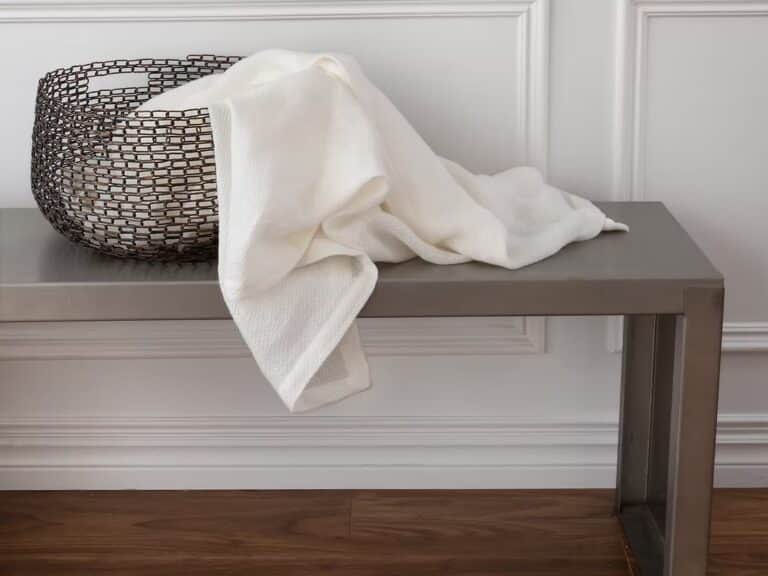
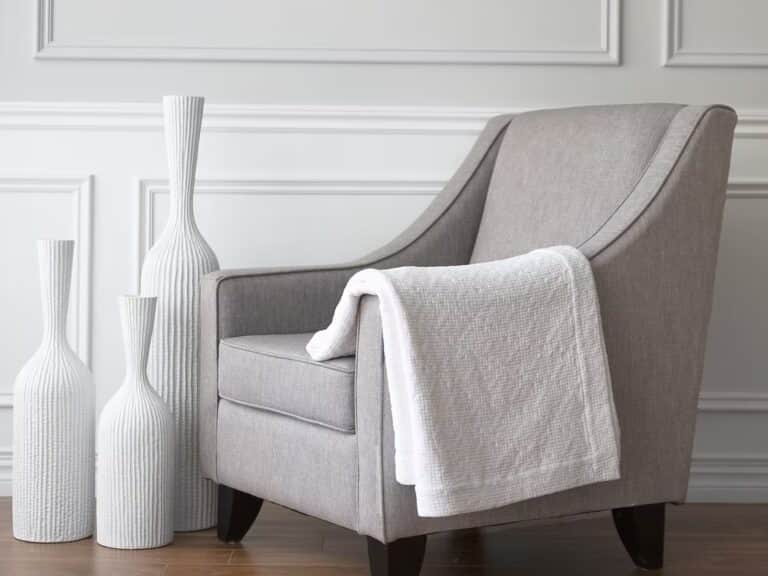
Among contemporary linen pieces, the St Geneve Avalon Linen Throw stands as a tactile exemplar of the linen’s quiet drama. Woven in Portugal from 100% pure linen and sewn in Canada, Avalon embodies a refined, understated luxury that complements a spectrum of interior styles—from minimalist to rustic-modern.
Its signature honeycomb weave offers a soft, airy texture with a graceful drape, delivering light warmth ideal for lounging by a window or curling up with a book. The colorways—soft whites and natural tones—accentuate a room’s architecture rather than compete with it, allowing furniture silhouettes and architectural details to breathe.
Avalon’s craftsmanship speaks to a blend of global sourcing and meticulous tailoring. The linen travels from its flax origins in Europe to the loom in Portugal, then finds completion in Canada, where final assembly ensures high standards of finish and durability. This cross-border collaboration reflects a modern, ethical production ethos that resonates with today’s design-conscious consumer.
Product: St Geneve Avalon Linen Throw
Price: $249.00
Dimensions: 49" x 70"
The Avalon Throw epitomizes how a single textile can set a mood. It introduces a sense of calm, a layer of texture, and a whisper of craftsmanship that makes a room feel lived-in and thoughtfully curated.
Contemporary Brands and Textiles: A Short Guide
Belgium’s linen heritage continues to inspire brands that bridge tradition with contemporary design. When evaluating linens for modern interiors, readers can consider how designers balance authenticity with practicality, and how the choice of weave, fiber quality, and finish influence a room’s atmosphere.
Naturepedic Organic Linen Sheets
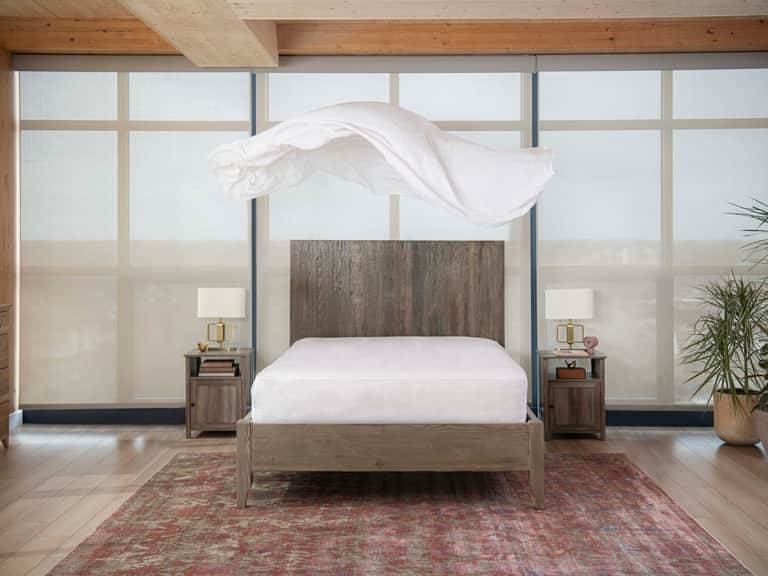
These sheets exemplify the marriage of sustainability and tactile luxury. Made from 185gsm GOTS-certified organic flax grown in France, they offer breathability, moisture-wicking properties, and durable softness. Their looser weave is optimized for comfort and ease of care, making them a practical choice for year-round use.
A well-chosen linen sheet set anchors a bed with a calm, organic presence—an essential foundation for a modern bedroom.
St Geneve Rochelle Cotton Matelasse Throw
While not linen alone, this cotton matelassé throw offers a complementary texture that highlights linen’s versatility in mixed-fiber interiors. Its basketweave and tailored finish introduce structure while remaining soft and inviting.
The piece demonstrates how linen interiors can be layered with cotton accents to create a cohesive, year-round aesthetic.
Practical Styling Tips for Belgian Linen Interiors
- Texture-driven palettes: Let linen be the hero of texture with a restrained color story. Layer linens in natural hues with textiles in wool or cotton for depth without visual clutter.
- Light interplay: Linen’s surface catches light differently as it ages. Position linen curtains where they can catch morning sun or evening twilight to reveal soft tonal shifts.
- Care and longevity: Linen improves with washing and wear but requires mindful care. Follow specific care instructions to maintain its integrity and patina over time.
Conclusion: A Living Material for a Living Interior
Belgian linen, with its storied past and vibrant present, remains a material that mirrors human intention: durable, breathable, and elegantly understated. In contemporary interiors, linen invites a slower, more tactile approach to design—one that values craft, lineage, and the subtle beauty of a fabric that ages with grace. By honoring the artisans, brands, and historical threads that compose the Belgian linen narrative, designers and homeowners alike can cultivate spaces that feel real, warm, and authentically habitable.
The modern interior is, at its best, a conversation with the past conducted in the language of today. Belgian linen speaks fluently across generations, weaving a story that stretches from ancient flax to present-day rooms where people read, dream, and rest under a softly draped cloth that has stood the test of time.