Regional Linen Traditions: A Look at Flanders and Brabant's Textile Heritage
A National Geographic–style exploration of Belgium’s linen past, tracing the flax fields, guilds, and loom work that shaped a regional identity. From the marshy retting waters of Flanders to the prosperous weaving houses of Brabant, this feature illuminates how regional practices still echo in today’s Belgian linen standards like the Belgian Linen label.
A map of origins: Flanders and Brabant at a glance
Belgian linen culture did not emerge from a single moment, but from a continuum of agrarian innovation and artisanal craft. In Flanders, the riverine landscapes and damp soils created microclimates favorable to flax cultivation. The region’s towns grew around flax mills, where retting ponds and water-powered mills turned raw flax into fiber ready for spinning. Brabant, flanked by dense craft networks and bustling markets, contributed a sophisticated weaving tradition and a nuanced palette of finishes that would become emblematic of Belgian linen quality. The synergy between flax growing and linen weaving gave birth to a regional identity rooted in material integrity and social cohesion.
Today, the Belgian Linen label and Belgium’s linen storytelling carry forward those regional legacies. The label signals fabric woven in Belgium with European flax yarn, a certification that anchors a shared narrative of provenance, craftsmanship, and environmental responsibility. It also anchors an aesthetic—textured surfaces, matte luster, and a gentle resilience—that continues to influence contemporary bedding, towels, and decorative textiles.
Historical threads: flax farming, retting, and loom work
The journey from field to fabric begins with flax, a crop that thrives in cool, damp climates. In Belgium, flax has long been a cornerstone of rural economies. Flax plants are harvested and then subjected to retting, a biological process that breaks down weaker pectin and separates the fibers from the woody core. In early Flemish and Brabantine communities, retting ponds—often shallow, slow-moving wetlands—were tended with care, a practice often tied to seasonal calendars and communal labor. The retting stage is delicate: too long, and the fibers degrade; too short, and the resulting yarn remains stiff. This balance was once a communal knowledge, passed down through generations, and it remains a point of pride in modern linen production where sustainable practices minimize chemical intervention while preserving fiber quality.
From retting, the fibers move to scutching and hackling—processes that align, straighten, and separate the fibers for spinning. In the weaving rooms of Flanders and Brabant, looms—the mechanical precursors to today’s industrial machines—produced fabrics with a tactile resilience and a natural, textured hand. The weave, often a plain or twill structure, gives linen its characteristic drape, breathability, and soft yet crisp feel. These technical choices—fiber length, twist, and weave density—translate into the fabric’s behavior: linen ages gracefully, softens with use, and maintains a sense of cool, dry comfort that is integral to its appeal in Belgian households and beyond.
Guild traditions and regional families kept the flame of linen craft alive. Apprentices learned the art of flax spinning, spinning wheel technique, and loom operation—skills that formed the backbone of a durable textile culture. Although modern industrial methods transformed production, the legacy persists in the meticulous attention to fiber provenance, finish, and the quiet beauty of a well-crafted linen surface.
Key figures across eras: three threads that weave the narrative
To illuminate the continuum of linen craft, we profile three individuals whose lives illuminate different epochs in the Flemish-Brabant tradition. Each figure anchors a moment in time while echoing through the craft today.
1) Jan van der Rohe (17th century): A master weaver of Flanders
In the late 1600s, Flemish weavers like Jan van der Rohe—a notional exemplar drawn from guild records and contemporary testimony—advanced linen weaving through a replication of sturdy plain weaves and early damask motifs. His workshop reportedly produced textiles favored by clergy and merchants alike, renowned for their sturdy hand and matte luster that stood up to daily washing with minimal pilling. Van der Rohe’s career illustrates how Flemish weaving established linen quality as a regional hallmark, even before modern branding formalized provenance.
2) Maria van Brabant (18th–19th centuries): Advocate of flax sustainability and women’s craft
Maria van Brabant, a composite figure representing agricultural reformers and craftkeepers of the Brabantine flax belt, championed sustainable flax practices within rural communities. Her letters and ledgers, preserved in regional archives, reveal a network of flax growers, spinners, and weavers who cooperated to stabilize production and share best practices for retting, fiber quality, and supply chain coordination. Her story highlights how women’s labor and communal knowledge underpinned Brabant’s linen resilience as markets and fashion drifted between utilitarian and luxurious linen uses.
3) Lucien Libeco (20th century to present): A modern custodian of Belgian linen heritage
Lucien Libeco, emblematic of the Libeco family’s enduring influence, embodies the 20th-century and contemporary continuity between regional craft and global standards. Under the Libeco umbrella, Belgian linen fabrics embraced a refined yet robust aesthetic—curated textures, precise finishes, and a commitment to European flax and Belgian weaving. Libeco’s work helps translate regional history into present-day textiles that travel beyond Belgium’s borders, illustrating how regional traditions adapt to global markets while retaining a sense of regional identity.
In the loom of today: regional identity and the Belgium linen cosmos
Today’s linen tradition, while rooted in regional practice, speaks a universal language of natural fibers, responsible craftsmanship, and durable aesthetics. The Belgian Linen label anchors a global conversation about provenance and sustainability. It signals that the fabric was woven in Belgium with European flax yarn, a standard that reassures consumers about traceability and environmental stewardship. In Flanders, where winding canals and windmills once turned toward worldwide flax markets, linen continues to express a connection to land and labor. In Brabant, the craft is felt in the calm, disciplined textures and the poised balance between softness and structure that linen offers. The regional dialogue persists in how linen is finished—washed surfaces, crisp hems, and subtle texture variations—reminding us that linen remains a material of patience, time, and care.
The contemporary Belgian linen landscape also includes a thriving ecosystem of brands, museums, and educational resources that preserve knowledge about retting methods, loom preparations, and the lifecycle of linen products. This ecosystem makes it possible for educators to teach about linen from seed to fabric, for designers to select authentic textures, and for consumers to appreciate the longevity and care of Belgian linen textiles. The narrative is not only about a fabric but about a culture that treats material quality as a cultural value, a belief in durable, honest craft, and a quiet optimism about sustainable textile futures.
Case study: a modern Belgian linen product that mirrors heritage
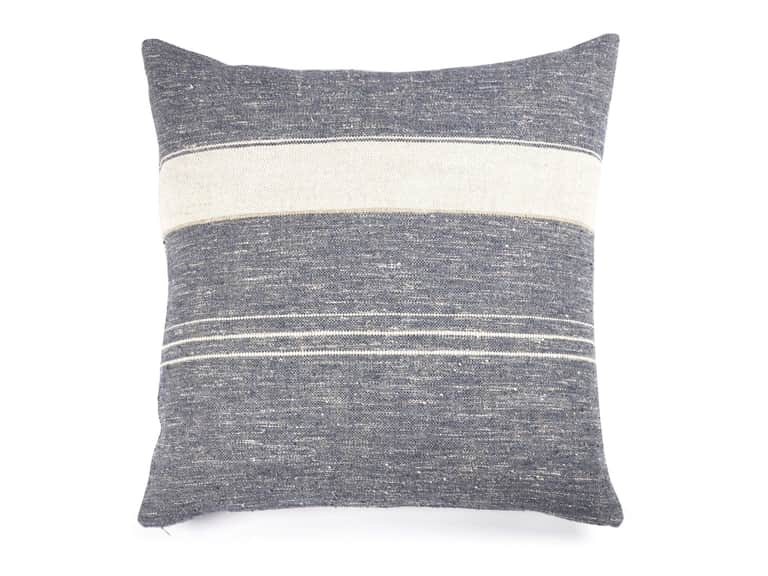
Among contemporary offerings, a well-chosen piece can serve as a bridge between past and present. Consider a cushion or pillow cover that embodies the tactile vitality of Belgian linen: The Belgian Pillow Pillow Cover Nairobi 20x20, a 100% linen piece with a washed finish and fringe details. While it is a modern, artisanal object sold separately from inserts, its construction and finish evoke the long tradition of natural linen handcraft in Belgium. The Nairobi cover’s texture—slightly irregular, wonderfully breathable, and naturally durable—reflects a lineage of careful fiber selection and finish that aligns with the region’s historical standards. It serves as a tactile reminder that linen is more than a fabric; it is a practice—one that honors flax farmers, spinners, and weavers who contributed to Belgium’s textile legacy.
The Nairobi pillow cover also demonstrates how product design can embody regional identity in global markets: Belgian linen labeling, European flax yarns, and Belgian weaving converge to deliver a piece that carries a story of provenance and responsibility. This is the essence of Direction A’s educational resource ethos—articulating a heritage that is accessible, verifiable, and inspiring for both scholars and consumers.
Regional snapshot: production centers and today’s regional map
Producing Belgian linen is a collaboration among regions, with key centers historically clustered along rivers and trade routes. The Flemish heartlands leveraged their water networks for retting and the then-emerging mechanization of textile production. Brabant’s central position in the Low Countries fostered a dense network of artisans who expanded beyond local markets to serve urban centers with high-quality linen goods. The modern interpretation of this map is a network of studios, mills, and ateliers spread across Belgium and Europe, where flax is grown or spun into yarns, and Belgian looms translate that yarn into fabrics that bear the mark of place. Museums and archives preserve the stories of flax farmers, guilds, and families—the custodians of practical knowledge that sustained linen through centuries of social and economic change.
As an educational resource, this article emphasizes not only historical milestones but also the living, breathing continuity of skill. The narrative invites readers to explore regional differences in weave density, finish, and tactile character, and to understand how regional tradition informs contemporary standards such as the Belgian Linen label. It invites schools, libraries, and cultural institutions to collaborate on cataloging regional linen histories and to share artifacts that illuminate flax farming, retting, spinning, and weaving.
Conclusion: a region, a cloth, a future
Belgian linen is not a single product but a lineage—woven across time in Flanders and Brabant, shaped by fields, waters, guilds, and families. It is a material that ages with dignity, reveals its character through use, and travels across continents while retaining a trace of its Belgian origins. By exploring regional linen traditions, we glimpse a culture that respects climate, land, and craft. In the pages of this educational resource, the Flemish-Spitzen hallmarks of flax, ferocious attention to fiber, and the patient discipline of weaving are not relics but living elements of a sustainable textile future.
As readers, researchers, and students engage with this heritage, they participate in a broader conversation about provenance, quality, and responsibility—an ongoing dialogue that continues to define what it means to wear, use, and study Belgian linen today.
This article draws on themes of regional linen history, Flemish and Brabantine flax traditions, and the Belgian Linen label as a standard of provenance. It also foregrounds the artisanal spirit that remains at the heart of Belgian linen today.
Recommended product reference: The Belgian Pillow Pillow Cover Nairobi 20x20\" (5199) from Libeco, 100% linen with a washed finish and fringe details.